
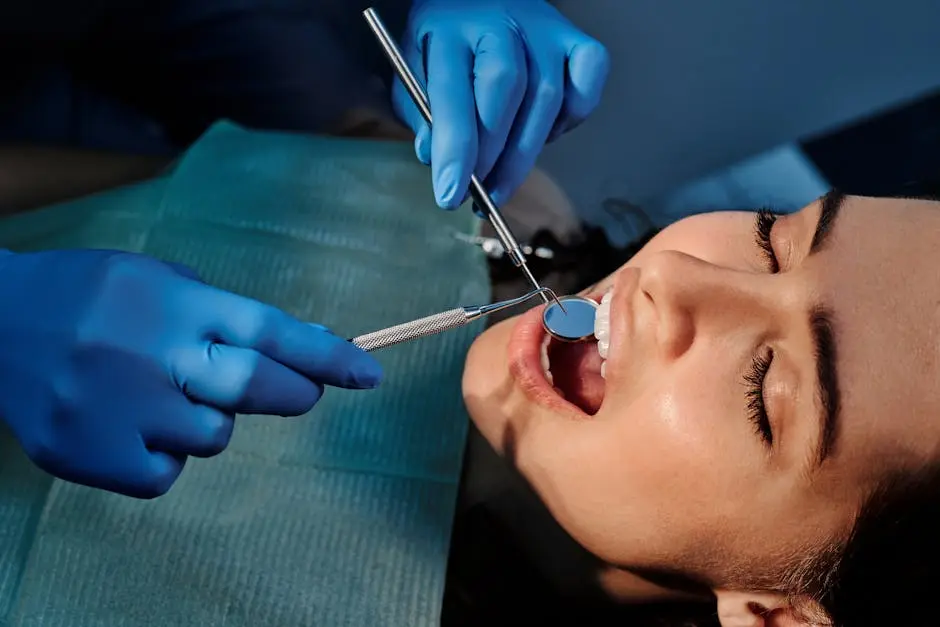
Recovering from oral surgery can feel daunting. It’s important to understand what to expect in order to make the process smoother and more manageable. This blog will walk you through the key stages of recovery, helping to answer any questions and ease your concerns.
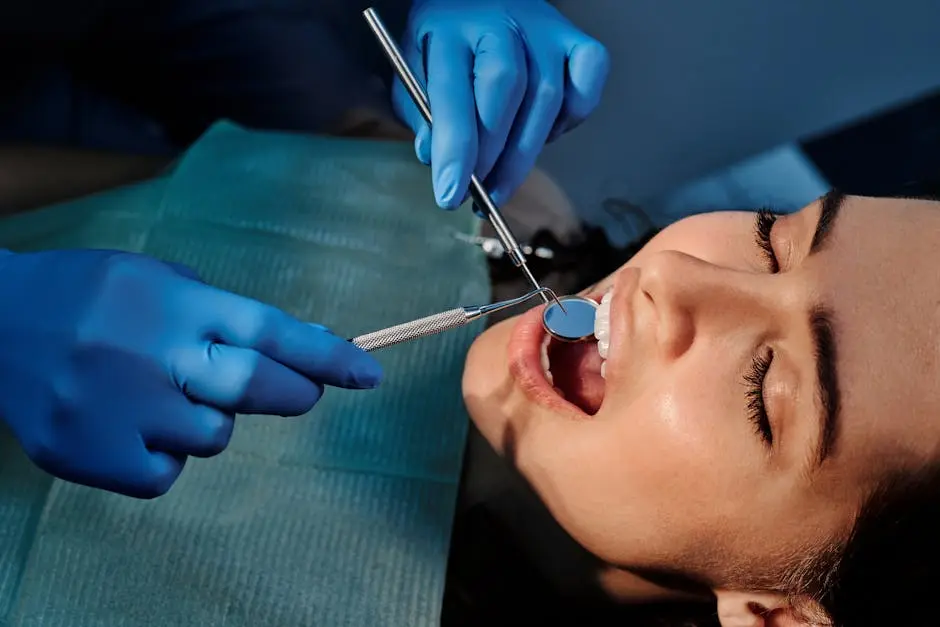
Understanding the Surgery
Learn about the type of oral surgery you’re having and its purpose. Knowing what to expect can prepare you for the recovery process.
Different types of oral surgeries, such as wisdom tooth extractions or dental implants, come with unique recovery considerations. Gaining insight into your specific procedure can help demystify what lies ahead.
For instance, wisdom teeth removal may lead to swelling, but this is a normal part of the healing process. Understanding these nuances allows you to feel more confident and less anxious about your recovery.
Immediate Post-Operative Care
Discover the essential steps to take right after surgery, including managing bleeding and caring for your incisions.
Immediately after your oral surgery, it’s crucial to control any bleeding. Biting down gently on gauze can help you manage this effectively. Knowing when to change the gauze, usually every 30-45 minutes, can be very beneficial.
Additionally, keeping your head elevated can help reduce swelling. Following these guidelines post-op will significantly impact the comfort and efficacy of your recovery.
Don’t forget to avoid any strenuous activities or bending over during the first 24 hours. These actions can increase blood flow to the surgical area, leading to further bleeding.
Pain Management Strategies
Explore different methods for managing pain, from medications to natural remedies, and when to seek professional help.
Pain is a typical part of the recovery experience after oral surgery. Your dentist will likely prescribe pain medication, but it’s also beneficial to pair this with home remedies like cold compresses to minimize discomfort and swelling.
Keep in mind that pain levels may vary throughout your recovery. It’s essential to listen to your body and not shy away from seeking additional help if necessary. And if over-the-counter pain relief isn’t working, don’t wait—reach out to your dental provider.
Diet and Nutrition During Recovery
Find out what foods are best to eat post-surgery and which to avoid. Proper nutrition aids healing.
Post-operative nutrition plays a pivotal role in recovery. Soft foods like applesauce, yogurt, and smoothies are excellent choices during the initial healing phase.
Try to avoid hard or crunchy foods that could irritate your surgical site. Staying hydrated is equally essential; remember to sip water frequently, but avoid using straws, as the suction can dislodge blood clots and hinder healing.
Signs of Complications
Learn to recognize signs of potential complications that may arise during recovery and when to contact your dentist.
While most recoveries proceed smoothly, it’s essential to be vigilant for any unusual symptoms. Signs such as intense pain, excessive swelling, or fever could indicate a complication.
If you experience persistent bleeding or notice any pus from your incision site, it’s time to contact your dentist. Early intervention can make a significant difference in your recovery outcome.
Returning to Normal Activities
Get guidance on when it’s safe to resume work, exercise, and other daily activities after your oral surgery.
The timeline for returning to regular activities varies based on the complexity of your surgery and your overall health. Generally, most people can return to work within a few days, but listening to your body is crucial.
Gentle physical activity can typically resume within a week, but high-impact workouts should be avoided for a longer period. Discussing your activity plans with your dentist can provide personalized guidance.
Wrapping It Up
In summary, recovering from oral surgery involves managing pain, maintaining proper hygiene, and staying aware of your body’s signals. Following your dentist’s instructions will lead to a successful recovery, ensuring you can return to your regular activities as soon as possible.